Building LLM agents with long-horizon memory that stay reliable as knowledge changes and keep people in charge of the decisions that matter.
I develop memory for LLM agents that work over weeks and months, tracing where each piece of knowledge came
from, how it has changed, and which earlier decisions still hold when it does. My research combines agent
memory, provenance tracking, long-horizon reasoning and evaluation benchmarks with human-centered studies of
how people delegate work to AI, so that agents not only remember correctly but also respect who holds
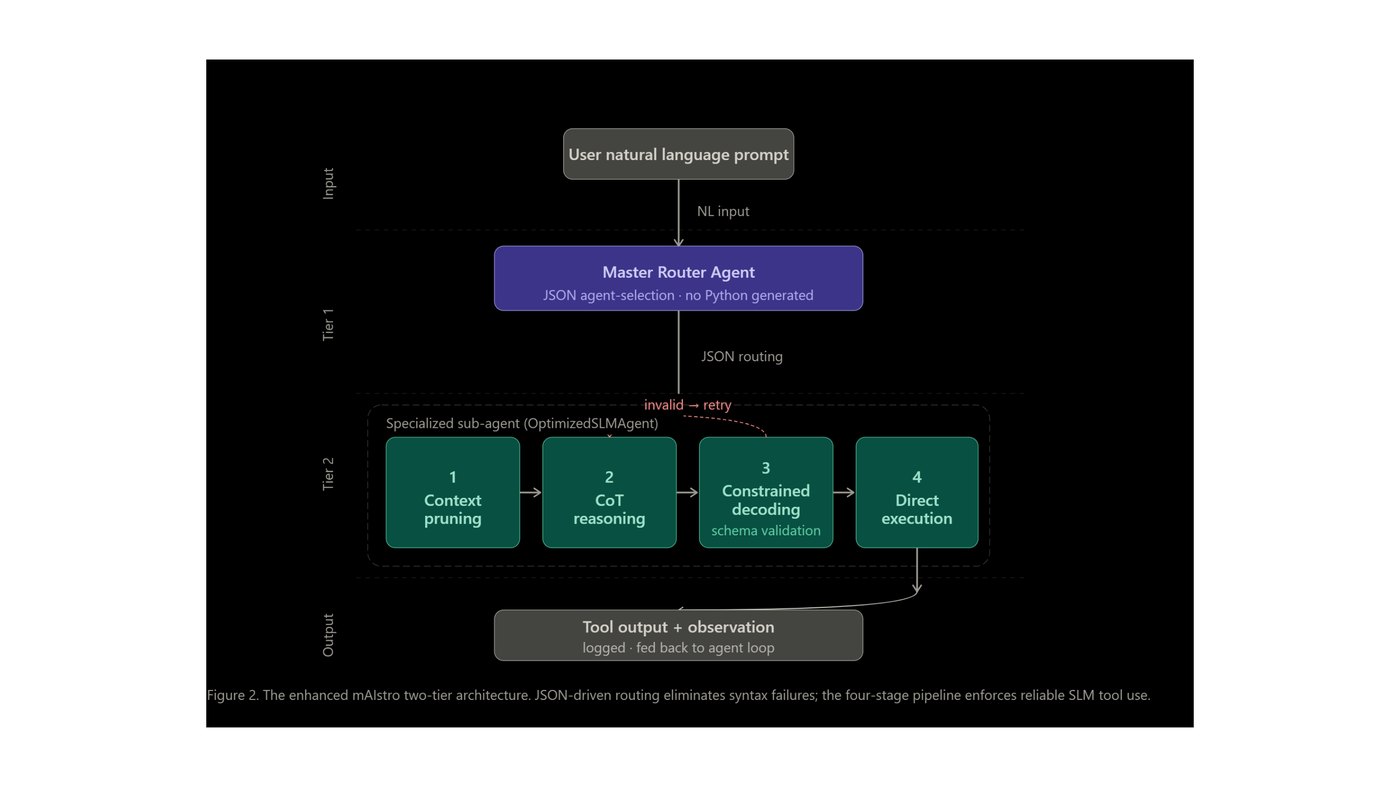
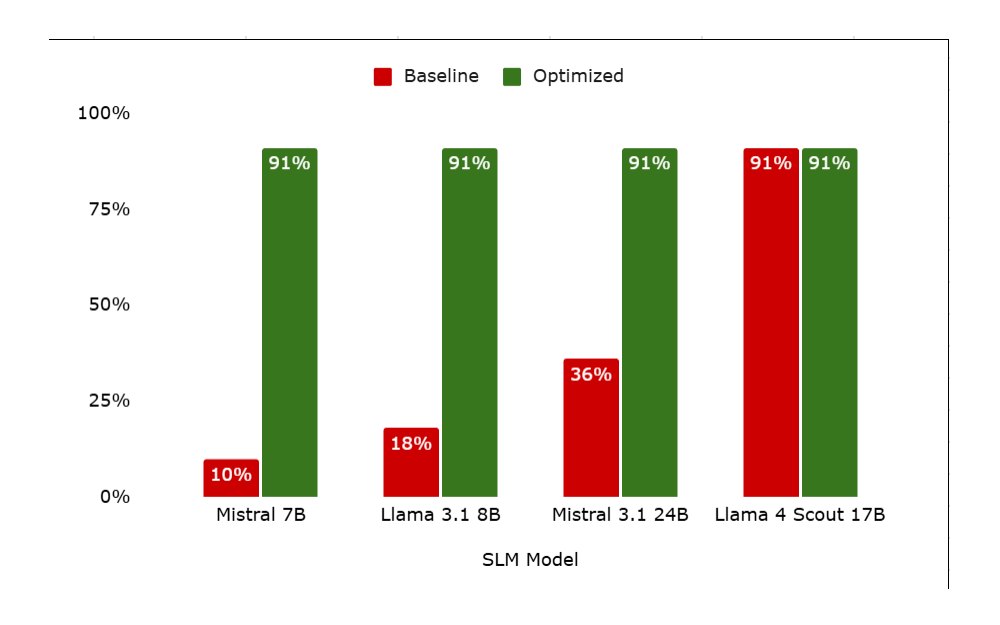
authority over their outputs. I also make these agents run dependably on small, private language models
for settings such as hospitals and classrooms.
I am advised by
Dr. Muhammad Usama Saleem, Research Scientist at Amazon, and
Dr. Ayman Ali, Assistant Professor at Riyadh College of Technology for Information and Telecommunications.
My research spans two connected areas: long-horizon memory that keeps LLM agents' decisions valid as
knowledge changes, and human authority over the work AI produces, with collaborators from Amazon, Duke University
and Riyadh College of Technology for Information and Telecommunications.
Long-Horizon Memory for LLM Agents
Agent Memory·Long-Horizon Reasoning·Benchmarks
When an instructor corrects course content, today's AI tools do not carry the fix to the quizzes, grades and
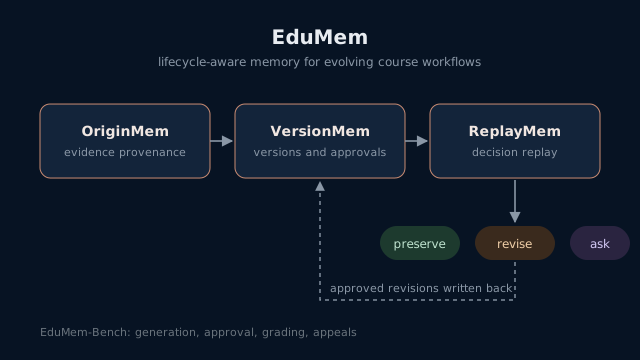
feedback that depend on it. EduMem connects instructional evidence, evolving artifacts and authorized decisions
through three modules: OriginMem traces artifacts to their evidence, VersionMem keeps versions and approvals,
and ReplayMem reconstructs past decisions to preserve, revise, or ask the instructor when authorization is
unclear. EduMem-Bench evaluates this over whole semesters, from artifact generation to grading and appeals.
Human Authority in AI-Assisted Education
Human-AI Interaction·Mixed Methods·Accountability
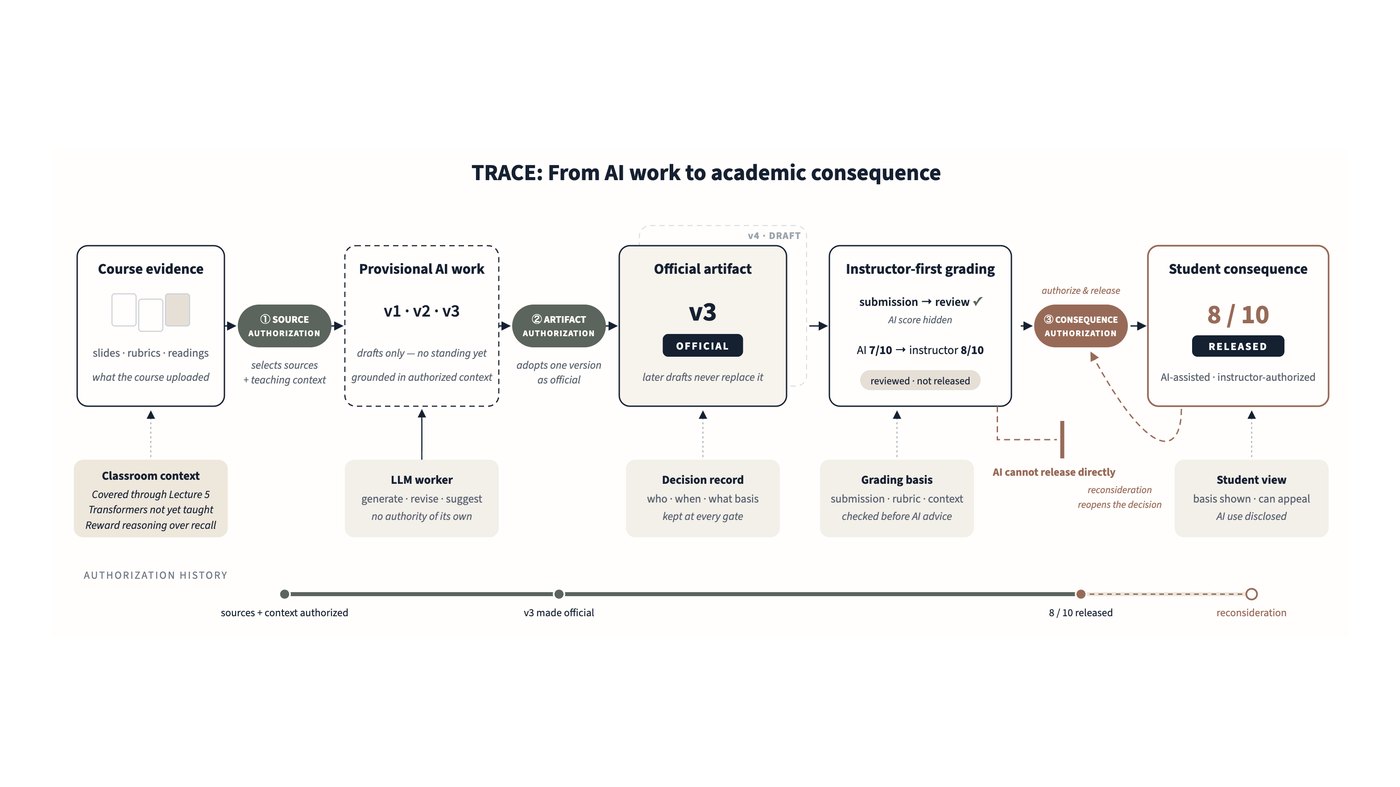
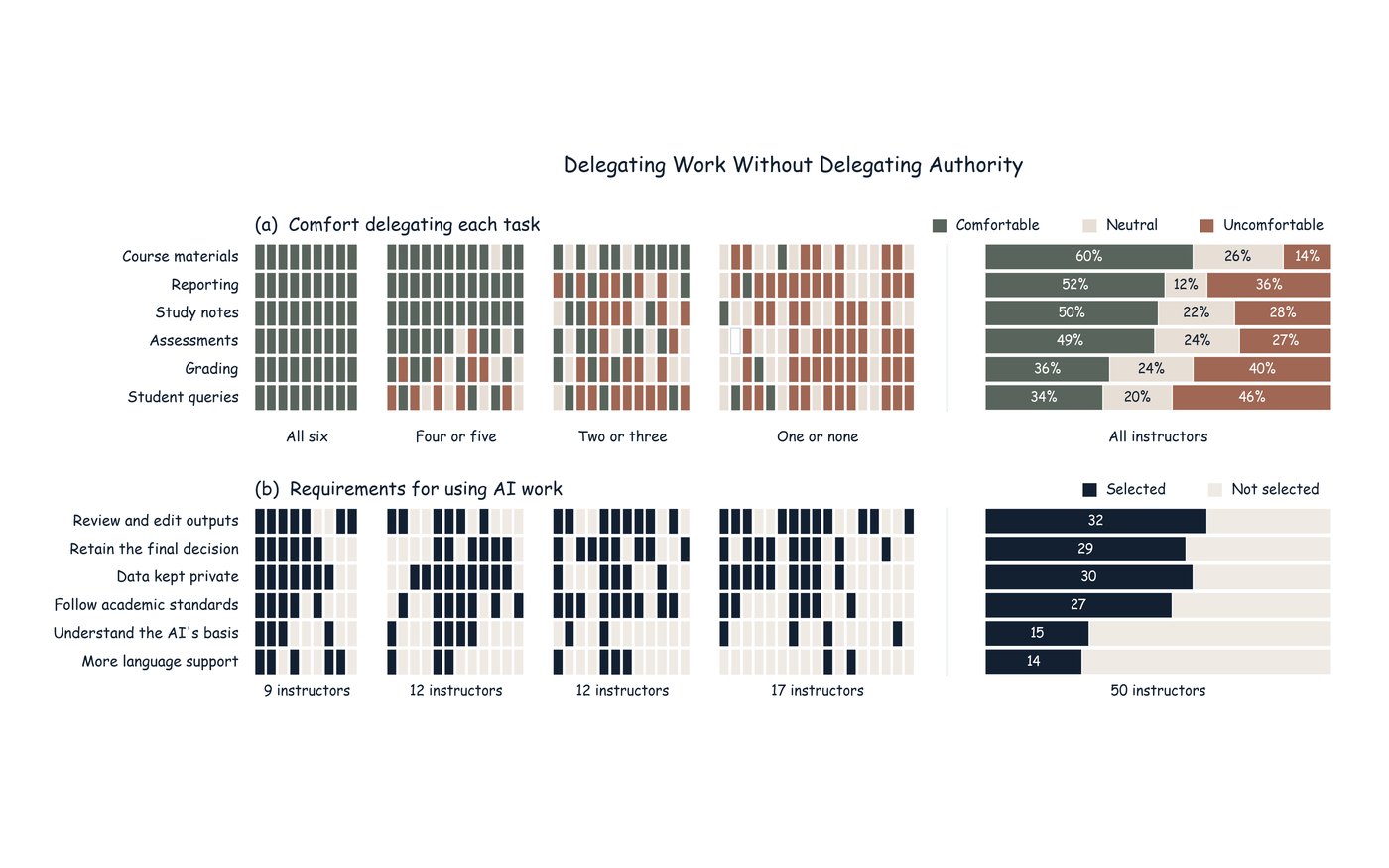
Having a human in the loop does not say what that human is responsible for. Through TRACE, a course-grounded
prototype I built, and a cross-cultural study of instructors and students, we found that people delegate work
to AI but not authority over it, and that students care about the evidence behind a grade, not just its
correctness. The resulting Coursework Authorization Model separates what AI may use as evidence, which outputs
become part of a course, and when they may affect students.
News
Oct 2026
Selected as a Section Leader for Stanford's Code in Place from 1,000+ applicants worldwide.
Sep 2026
Started EduMem, lifecycle-aware memory for AI course assistants (ACL submission), with Dr. Muhammad Usama Saleem and Dr. Ayman Ali.
M. U. Saleem, W. Naveed, Muhammad Hasheem Iftikhar, M. A. Ijaz, H. Munir
ACM FAccT, 2027 (under review)
Built TRACE, the course-grounded prototype at the center of the paper (now deployed as Fazah); designed the interview protocol and led student-side data collection; co-developed the Coursework Authorization Model.